Transform Your Outdoors with Professional Artificial Grass Setup Services
Modernizing outdoor spaces with synthetic turf has become a practical consult this source option for many property owners. This solution offers a lush, verdant landscape without the ongoing demands of natural grass. The setup procedure is straightforward, yet understanding the nuances can make a significant difference. Weighing the benefits and considerations of this option indicates much more than mere aesthetics. What factors should one reflect on before making such a change?
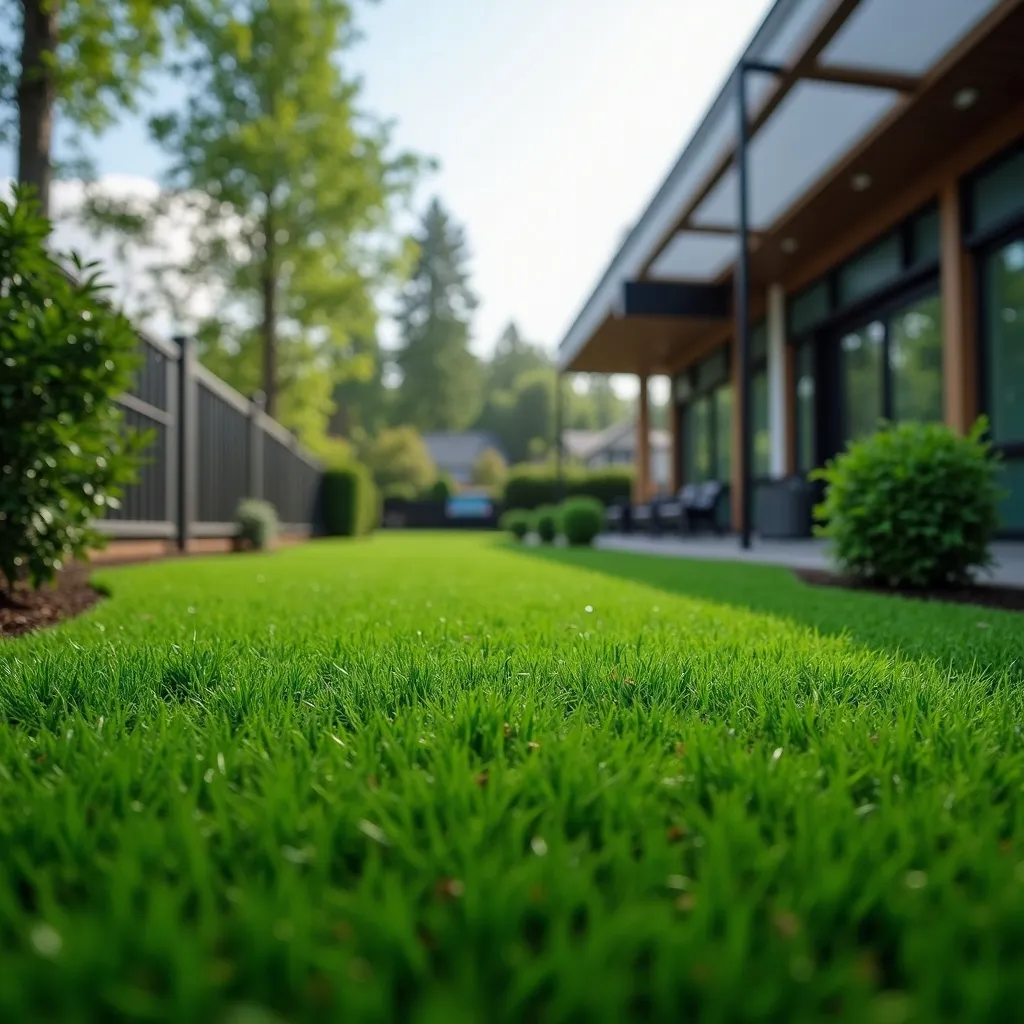
Why You Must Replace Your Lawn With Artificial Grass
Many domicile owners are increasingly opting to switch out their natural lawns with artificial grass due to its countless boons. One of the primary benefits is the significant reduction in maintenance time and costs. Unlike natural grass, artificial turf does not need regular mowing, watering, or fertilizing, allowing homeowners to save on both labor and resources. Additionally, artificial grass remains lush and green year-round, delivering a reliably appealing aesthetic regardless of environmental factors.
Moreover, fake turf is green-minded, as it eliminates the necessity for harmful pesticides and herbicides. It also conserves water consumption, a vital concern in many regions facing drought. The robustness of fake turf confirms that it can tolerate heavy foot traffic, making it ideal for families with children and pets. Ultimately, the decision to install fake turf can produce a more environmentally conscious, aesthetically pleasing, and easy-to-maintain outdoor space.
Things to Know During Installation?
During the setup of artificial grass, property owners can anticipate a systematic and efficient procedure that transforms their outdoor space. Initially, the crew conducts a thorough assessment of the area, determining size and identifying any drainage issues. Following this, they ready the ground by removing existing grass and debris, guaranteeing a smooth base for the fresh lawn.
Then, a layer of crushed stone is laid to allow suitable drainage. The team subsequently installs a weed barrier to avert unwanted growth beneath the grass. As soon as the base is ready, the artificial grass is spread and sized to suit the designated area, ensuring seamless edges.
The grass is secured in place with adhesive or stakes, and infill materials can be included for stability and realism. Homeowners can expect to see their revamped outdoor area prepared for enjoyment within a short time frame, often just a day or two.
Choosing the Best Artificial Grass for Your Lifestyle
When selecting artificial grass, grasping lifestyle compatibility is critical. Considerations including usage frequency, pet ownership, and design preferences matter greatly to making the best option. Also, maintenance demands can vary considerably, determining future enjoyment and upkeep.
Living Harmony Factors
Determining what synthetic turf product requires assessing multiple personal factors that can meaningfully impact its suitability and function throughout various contexts. For families containing children or pets, robustness and toughness are vital, guaranteeing the grass can withstand strenuous use and play. Similarly, environmental conditions operates as a vital consideration; zones with extreme temperatures might require protective sun-resistant materials to prevent color degradation. The intended purpose further proves important—for play spaces, aesthetic landscaping, or sports purposes, various synthetic grass types offer distinctive benefits. Additionally, design preferences must harmonize with the overall appearance of the exterior space, confirming a polished appearance. In final consideration, municipal guidelines or neighborhood rules might impose boundaries, making it vital to become aware of such variables before proceeding with selection.
Maintenance Needs Outline
Maintenance needs are crucial in determining the best artificial grass for individual lifestyles. Different types of artificial grass have varying maintenance demands, which can affect a homeowner's choice. For those with pets or children, picking a product that is simple to maintain and resistant to stains is essential. Additionally, some types may require periodic brushing and infill replenishment to maintain their appearance and functionality. In contrast, low-maintenance options are ideal for busy individuals who want a more hands-off approach. Understanding these maintenance factors helps homeowners to select artificial grass that not only complements their outdoor aesthetics but also aligns with their lifestyle requirements, guaranteeing long-term satisfaction and enjoyment.
Key Procedures for Setting Up Artificial Grass
Deploying artificial grass demands many important steps to ensure a favorable result. Essential elements involve thorough ground preparation methods, establishing proper drainage solutions, and executing the grass installation process carefully. Each step proves important in obtaining a durable and aesthetically pleasing result.
Site Preparation Methods
Effective site preparation is crucial for a proper artificial grass installation. First, the existing grass and debris must be removed, ensuring a clear base. Next, the ground should be evened, addressing any low spots or high spots to create a flat surface. Compaction of the soil is important to prevent future settling, and this can be achieved using a plate compactor. Once the area is level and compacted, a weed barrier fabric should be laid down to reduce future growth. Finally, a layer of crushed stone or gravel should be spread to improve drainage and provide stability. Each of these steps contributes to a solid foundation, ensuring the longevity and performance of the artificial grass.
Effective Drainage Solutions
After constructing a sturdy base through correct site setup, attention goes to deploying dependable drainage alternatives for artificial grass. Confirming ample drainage is crucial to prevent water accumulation, which can damage the grass and create unpleasant odors. The installation process typically consists of including a drainage layer, often comprised of crushed stone or gravel, underneath the artificial turf. This layer promotes water movement away from the surface, permitting for quick absorption and lowering the risk of pooling. Furthermore, well-placed drainage channels can enhance water flow, channeling excess moisture away from high-traffic areas. It is crucial to review the landscape's natural slope to optimize drainage performance, ultimately safeguarding the integrity and appearance of the artificial grass.
Grass Setup Process
The grass installation process develops through a series of precise steps that ensure a successful outcome. Initially, the area is assessed and marked for precise dimensions. Following this, existing vegetation and waste are removed, guaranteeing a clean surface. Next, a compressed base layer of crushed rock or gravel is placed to promote drainage. A weed barrier is then laid to prevent unwanted growth.
Once the base is prepared, the artificial grass is unrolled and cut to fit the designated area. It is attached with stakes or adhesive to ensure stability. Finally, fill material is applied to improve durability and mimic grass. This methodical approach creates a beautifully renovated yard area.
Guide to Maintaining Your Artificial Grass Staying Great
Sustaining the vivid look of artificial grass requires frequent upkeep and maintenance. Standard cleaning is important; a quick water rinse can remove debris and dust. For more stubborn stains, a solution of soft soap and water is successful. In addition, using a broom or a stiff brush can maintain the fibers upright and looking fresh.
Routinely checking for foreign objects, such as leaves or branches, avoids accumulation that can lead to discoloration. To preserve proper water flow, make sure that any accumulated water is promptly removed. During periods of heavy use, it may be beneficial to add infill to maintain the grass's structure and appearance.
To summarize, protecting artificial grass from sharp objects helps prevent injury. By adhering to these straightforward care instructions, homeowners can guarantee their artificial lawn stays an appealing and serviceable outdoor space for years to come.
Actual Real-World Examples: Artificial Grass Victories
Artificial grass enhances the visual beauty of outdoor spaces and transforms them into usable zones for families and pets. Many homeowners have shared impressive transformations after installing artificial grass. In one case, a family with a small backyard substituted their patchy lawn with lively synthetic turf. This modification established a safe, green play area for their children and pets, greatly increasing outdoor usage.
A remarkable achievement involves a community park that wrestled with upkeep expenses and water restrictions. By choosing artificial grass, the park not only reduced its environmental footprint but also provided a lush, inviting space for community events and activities, fostering increased public involvement.
Furthermore, a retail space increased its attractiveness by putting in artificial grass in its exterior recreation zone, drawing more visitors. These stories show how artificial grass can substantially transform outdoor environments, uniting beauty with practicality.
Popular Queries Raised
Is Artificial Grass Protected for Furry companions and Children?
Artificial grass is generally safe for children and pets. It is free from toxins, simple to maintain, and without hazardous substances. However, guaranteeing correct installation and upkeep is essential for best safety and comfort.
How much time Does Artificial Grass Remain?
Artificial grass usually lasts between 15 to 25 years, influenced by factors such as quality, care, and environmental conditions. Regular upkeep can extend its life span, providing a durable and attractive outdoor surface for multiple activities.
Can I Lay Artificial Grass by Myself?
Yes, individuals can install artificial grass on their own. However, it requires careful preparation, right equipment, and a solid comprehension of the setup process to deliver a successful and durable outcome that achieves visual and practical expectations.
What Is the Price of Synthetic Turf Setup?
The expense for artificial grass installation commonly falls from $5 to $20 per square foot, affected by factors like material quality, labor, and site conditions. Homeowners should request multiple quotes for accurate budgeting.
Does Artificial Grass Require Water Drainage?
Yes, synthetic turf requires proper water management to avoid water pooling. A well-designed drainage system enables effective water movement, guaranteeing the longevity of the turf and maintaining its look and performance over time.